Home/Overview
Procedure
Images/Videos
Licensing
License agreement
Buy chemicals/materials
Support us
Privacy policy
Contact us
FAQ
Resources
The termites
Termite monitoring
Termite control
Web resources
Acknowledgement
|
Termite Solution for Homeowners
By Mifang Ruan
February 2017
Preface
We know termites cause billions of dollars of property damage each year. The main difficulties for fighting termites are the difficulty of finding them and the difficulty of killing them. We developed a brand new method for termite detection and elimination called Ruan’s Termite Solution®. This new method is based on a US patent we obtained in 2015; the US patent number is 9149030. Since this method is patent protected, before applying this method, please visit our website http://termitesolution.us/ for license requirements and more information.
Our new method can be applied by yourself (as a DIY method) although it can certainly also be applied by professionals. Using our method, you don’t need to buy devices from the market, you can build termite detection stations by using readily available plastic sheets and cardboard. Only after termites are detected, will you need to buy a type of chemical from the market for eliminating the termites.
This is a termite baiting solution, similar to many types of devices available from the market today, known as termite baiting stations or stakes. Using those existing devices it normally takes months for termites to find the stations/stakes; even when termites find the stations/stakes they tend to abandon them. The most significant advantages of our new method compared with those existing methods are that termites will be able to find our stations quickly, normally in days or weeks instead of months, and after they find the stations they hardly abandon the stations.
This article will describe our new method, compare our methods to existing solutions, and explain why our method works better. Also quite a lot of termite knowledge will be provided in this article. If you have patience to read through this article you should be able to prevent termites from attacking your properties by yourself, and it works better than any other existing methods.
Type of Termites
We need to know the types of termites first because different methods are used to deal with different types of termites. There are three broad categories of termites. They are drywood termites, dampwood termites and subterranean termites. Dampwood termites are basically not a threat to houses. Drywood termites have limited areas of activity. In the United States drywood termites are mainly active in the southern coastal areas and the United States and Mexico border areas. Figure 1 shows drywood termite activity area in the United States. If you do not live in the red or yellow areas, you basically do not need to worry about the damage of drywood termites, if living in the red or yellow areas, you should pay attention to both subterranean termites and drywood termites. This article will mainly focus on subterranean termites.
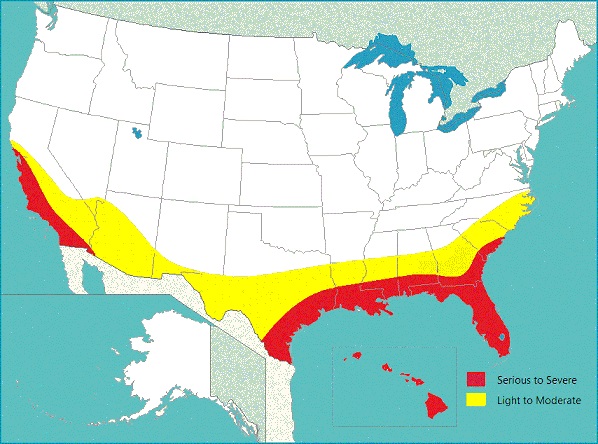
Figure 1. Drywood termite distribution and areas of severity.
Subterranean termites have a very wide area of activities, including almost all of the United States except Alaska. Only in some regions in the northern in-land states, activities are quite light. So why are there no drywood termites in most areas? That is because drywood termites cannot survive severe winter. In a few cases, people in the north-central region may also suffer drywood termites from furniture that is bought from the south and is infested with drywood termites.
The absolute majority of property damage is caused by subterranean termites in the United States. The reason is not only that drywood termites have a limited activity area, but also that their colony size is much much smaller than subterranean termites. A drywood termite colony only consists of a few thousand individuals, while a subterranean termite colony can have more than 10 million individuals. Therefore the damage caused by drywood termites is much slower.
Our new method is very effective against subterranean termites, but it is ineffective for drywood termites. Not only our method is ineffective for drywood termites, all of the existing methods that insert devices into the ground are ineffective. Because drywood termites nest directly in the wood and never contact the ground, the detecting/baiting station or device buried in the ground will not work for drywood termites. Although drywood termites cause less damage to properties, drywood termite control is more difficult and neither in the scope of our new baiting solution nor in the scope of other existing methods. We will discuss more in an appendix of this article for control of drywood termites.
Note that in all the areas where drywood termites are active, subterranean termites are also active. Especially in the states near Gulf of Mexico, subterranean termites are extremely severe. If you are living in the areas with drywood termites, you can use our new method to detect and eliminate subterranean termites, and you will need also pay attention to possible damage caused by drywood termites.
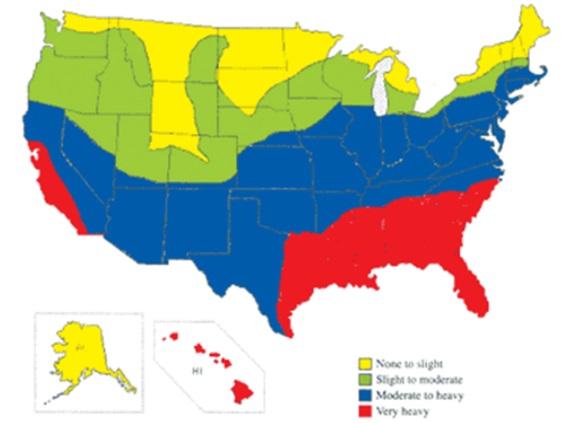
Figure 2. The distribution and severity of termite activities (Image source: The Ohio State University Extension)
Existing Methods for Termite Control
There are two main categories of methods for controlling subterranean termites. They are barrier treatment and termite baiting. Barrier treatment has a long history. Earlier barrier treatment was based on physical barrier and chemical repel, but currently most barrier treatment is based on chemical killing. The objective of all the barrier treatments is to establish a barrier around the house foundation so that termites cannot pass or they will die if passed. Normally it needs professionals for application. It will use lots of chemical around your house. The cost is about $2000. It will be effective for about 10 years. Barrier treatment cannot be used for termite detection. Normally it is used when you know termites are active in or near your house. The advantage is that barrier methods are fast and mostly effective. The disadvantage is that they are more costly and not environmentally friendly. Additionally, although the chemical used in barrier treatment currently can kill termites, killing is not the objective because barrier treatment does not have any characteristics that will attract termites to the barrier zone. Therefore, using barrier treatment will normally result in coexistence of termites and your house. In order to further kill the termites in the yard, barrier treatment is often combined with termite baiting.
The chemicals currently used in the barrier treatment are mostly Termidor SC, Taurus SC, and Premise. They cannot be detected by termites and have slow toxicity, so that affected termites can transfer toxicity to other termites.
The termite baiting method attracts termites to eat bait with slow toxicity. Termites take poison into their nests and poison other termites. The goal of termite baiting is to kill termites in the yard before they enter the house rather than to block them. Most of the termite baiting solutions have detection functionality. Compared with the barrier treatment, the baiting methods are more environmentally friendly and more cost effective. Also most people can apply baiting methods by themselves. So except in very urgent situations, such as when termites have entered the house, generally a baiting method is used. The commonly-used existing baiting methods on the market today include Spectracide Termite Detection and Killing Stakes, Advance Termite Bait Stations, Trelona ATBS Direct Bait Stations, Sentricon, and Hexpro.
Our method is also a baiting method; it also possesses both detection and killing functionalities. We will compare our method with the existing termite baiting methods later in this article.
Our Method
The time of year for applying our new method should be considered carefully. In most areas in the United States, it can start the application from early April to the end of July. April and May are the best because the ground is still relatively humid. Colder places should start later and in the southern states it can be applied year long.
Using our method, first you have to prepare the materials. Two types of materials are required. First, you will need plastic sheets. Use those thick plastic sheets that is not easy to break (at least 3 mils). 3 mils contractor trash bags can also be used. I like black color, other colors can also be used. Second, you will need cardboard sheets. You can use packing boxes; choose thick and clean ones.
The next step is to select the station locations around your house. If you want to achieve the best results, usually you need about 10 to a dozen locations. If you plan to use less stations, try to select locations that are is relatively damp, such as the north side of the house. Under deck and locations below mulch are also good choices because it is easier to build stations and termites are more likely be active there. The station location should be about 3 to 4 feet away from the foundation wall. The distance between neighboring stations should be about 15 feet. Locations can be under mulch, under deck, vegetable garden, under lawn and so on. Building an under-lawn station is a little harder, so I will try to choose other locations if nearby and increase the distance between under lawn stations, so that the number of under-lawn stations is reduced.
Now we are ready to build stations. You should wear protective gloves to work in the yard to avoid hand injury. Prepare plastic sheets and cardboards according to the number of stations to be built. Plastic sheets should be cut into 18” by 18”, one sheet for each station. And then cut cardboards into 6” by about 14” long strips. You may need about 5 strips for each station. Then build the station in the ground by digging down 1 to 2 inches deep, about 18 inches by 18 inches in size. Make the bottom relatively flat, and then add one to two layers of cardboards to the bottom, and then above the cardboards cover a plastic sheet. Then cover back whatever was dug out from the location, such as mulch, mud, lawn turf, etc. Now a station is built. It takes me about two minutes to build a station. For under lawn stations, dig down about 4 inches, the same size of 18” by 18”. Try not to break the lawn turf into too many pieces, so that the 4-inch lawn turf can continue to grow after covering back. All sizes are approximate, do not need to be precise.
Inspect stations. After the stations are built, check station every two to four weeks to see whether there are termite activities in the station. In order to minimize the disturbance to termites, the plastic sheet and everything on top (soil, mulch and the like) should be uncovered together. You could disturb termites if you first remove stuff on top of plastic sheet, and then the sheet itself. If termites are not seen on the top of the cardboards, open the cardboards slightly to check underneath. To check under-lawn stations, you can use a transplanter to help. If no termites are found, continue to check for two to three months at the same time intervals. Normally, you need to check 3 or 4 times.
Kill termites. If the method described above detected termite activities in some of the stations, go to Amazon to buy a chemical called Termidor foam, sprayed on the cardboard in the affected stations and then cover back. Termidor foam has some good properties to be used as termite bait. First, it has so-called chain effect, that is, termites affected by the poison can transfer the poison to other termites and those termites can further transfer poison to more, and so on. Secondly, termites cannot detect presence of Termidor. After Termidor foam is sprayed on the cardboard, termite will slowly carry the poison to their nest, and poison the whole nest of termites. Termidor foam is the chemical we currently recommended. We might recommend others if we find better choices. Please check our website for updated information.
You do not need to worry too much if you see termites in your yard. It is pretty common to find termites in yards of American homes. As long as termites have not yet entered your house, you should have time to kill them. The first thing that needs to be done is to cover back the station and try not to disturb them (if the cardboards are largely consumed, add some more). If the disturbance is too strong, termites will leave the station, so you may need to wait a long time for termites to come back. Do not directly kill them. You need them to work for you to bring poison into their nest. You can take a few days to buy Termidor foam. As long as the termites are not disturbed a lot, they generally will not leave.
From detecting to killing termites, our method for termite detecting and baiting has become a complete method. The required materials are plastic sheets and cardboards. Termidor foam is also required if termites are detected. One container of Termidor foam is enough; it costs a little more than 20 dollars. Later, I will compare our method with the various existing methods and explain why our method is more effective than the existing methods.
There is a short video on youtube showing this process. You might search termitesolution.us on youtube.com, or you may try the following link
https://www.youtube.com/watch?v=iqVzxWhw1J8&t=21s
Identifying Termites
When you check stations for termite activities, you must be able to recognize termites. A colony of termites consists of different castes, including workers, soldiers, and reproductives (queen, king, nymphs, alates, and supplementary reproductives). Individuals of different castes have different sizes and colors and some even have wings. But the largest number of them are workers and soldiers. They are also what will appear in our stations. Workers and soldiers are light-colored, without wings, about ¼ inches in length. They have a big head, a jaw, a neck, an abdominal, 6 feet, 2 straight antennae. Younger workers and soldiers are smaller. Figure 3 is a photo of workers and soldiers. If you want to see more, you can google “termite image” on the Internet. It is pretty easy to identify workers and soldiers.
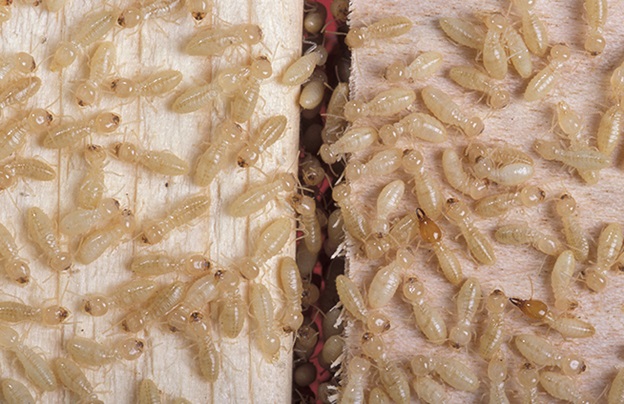
Figure 3. Workers and soldiers. Those with larger and brownish head are soldiers, others are workers (image source usda.gov)
Slightly more difficult to identify is a caste of termites with wings (swarmers). They normally appear in spring and are candidates for future termite queens and kings. We will talk about swarmers more in an appendix.
We have described how to implement our new method. Next we will discuss in detail why our new method is so effective and will compare it with the various existing termite baiting methods.
Termite Habits and Three Types of Toxicity for Termite Baiting
We will first talk about the habits of subterranean termites and three types of toxicity for termite bait. Termites love humid, quiet places and eating. Their perception of the surrounding depends on a pair of antennae and their body. Termites’ only food is cellulose, including wood, cardboard, and paper etc. Termites seek food sources by blind foraging since they will not be able to see or sense food sources remotely. After finding a food source, they will leave a unique trace of the colony to guide the other termites in the colony to come. The more food they found, the stronger the trace. If termites find danger, they will also leave a mark, so that other termites will avoid it. Termites are very much colony aware. We have talked about their unique trace for their colony. Different colonies never get together. In case of encounter, they will either avoid or fight. Termites and ants are also bitter enemies, either avoid or fight to death.
In the above, we talked the castes of termites, workers, soldiers, and reproductive (queen, king, alates, and supplementary reproductive). What we normally see are workers and soldiers that compose the largest number of individuals in a colony. Workers and soldiers have a lifespan of 1 to 2 years. They cannot reproduce in their whole lifetime. The termite queen and supplementary reproductives are responsible for reproduction, which has a lifespan of several decades. Do not expect a termite colony to disappear after the death of the queen; a supplementary reproductive will take her place. The number of individuals in a subterranean termite colony in most areas can reach hundreds of thousands. But in the southern United States there is a type of termites from Asia called Formosan termites, whose colony can reach more than 10 million individuals.
We will now talk about three categories of toxicity for termite bait. The first category is insect growth regulators. As termites grow, they undergo a process called molting, where it grows a new exoskeleton under its old one and then sheds to allow the new one to swell to a new size and harden. Insect growth regulators prevent a termite from growing up by interfering with the molting process and a termite will die when it needs to molt. However, these chemicals also have a significant limitation in that it does not affect termites which have already grown up. The second category is stomach toxicity. Termites eat only cellulose, but they cannot directly absorb cellulose, but only through a kind of parasitic bacteria in their stomach, which transform the cellulose into a form that termites can absorb. Basically the termites and the parasites depend on each other. If there is no parasite, the termites will starve to death even if they eat and drink all the day. That fact leads people to think of stomach toxicity which kills the termite stomach parasite, and thus slowly kills the termites. The third category is neurotoxic agents. Recent neurotoxic agents, such as Fipronil, have the effect of slow killing; the termites can still live a few days after exposure or contact and can pass the toxicity to other termites before death and lead to so-called chain effects. For example, Termidor is a neurotoxic agent used in the barrier treatment, which contains Fipronil as its active ingredient. Our method also uses this chemical, but the amount we use is thousands of times less than the barrier treatment.
Existing Subterranean Termite Baiting Solutions
You can find the device for termite baiting methods by googling “termite baiting stations” online. Several of those types are available on Amazon. Currently there are 5 types of commonly used devices. They are Spectracide Terminate Termite Detection and Killing Stakes, Advance Termite Bait Stations, Trelona ATBS Direct Bait Stations, Hex-Pro Termite Baiting System, and Sentricon.
Hex-Pro uses a type of bait called Shatter Termite Bait. Spectracide and Sentricon and Hex-Pro (that is, Shatter) come with a toxic substance called Hexaflumuron. That is an insect growth regulator. “Advance” uses a toxic substance called Diflubenzuron, which is also an insect growth regulator. Trelona’s toxic substance called Novaluron, which is also an insect growth regulator. “Advance” and Trelona are from the same manufacturer, and they are very similar except that they use different chemicals. Compared with other devices “Advance” and Trelona are larger in size and thus they are easier for the termites to find when foraging for food.
So do all bait methods use insect growth regulator? Not all of them. There is a baiting system called Firstline Termite Bait which uses a type of poison called Sulflurimid, which is a type of stomach poison. It looks like the stomach poison does not get too good a result and is not as widely used as insect growth regulators. Then how about nerve toxicity? Devices on the market today do not use this type of toxicity. We will discuss its advantages and disadvantages and why we choose it.
Prices for existing devices range from about $50 per set to more than $400 per set. Here a “set” consists of a number of devices that would be enough for a normal size single house. Those devices have a number of similar limitations.
- They mostly use an insect growth regulator as poison agent, which does not affect the grown-up termites.
- It is hard for termites to find the devices and even after finding it they may not be able to feed on the devices continuously. One reason is that the devices are small and not easy for termites to find by blindly foraging into the device. “Advance” and “Trelona” are a little better because their device is a little larger.
- Those devices can cause a “false alarm” for termite detection. Some solutions will tell you that if some indicator pops up, it means termites are detected. Some solutions will tell you that if you see termite food or termite bait is taken, it means termites are detected and you should change the termite inceptor into termite bait. All those methods take the termite bait or food consumption or disappearance as the indication of termite detection. However, the disappearance of termite food or bait can also be caused by other factors, for example, ants may consume termite food; also in certain cases termite food or bait can be decomposed by itself after certain time, cardboards normally decompose in three to four months. Those factors can cause you to believe termites are active in your yard even when sometimes they are not.
Compare Our Solution with Existing Methods
Our approach is quicker and more reliable than the other methods. Termites will find our stations faster, and after termites find the stations they rarely abandon the stations. Those advantages are related to several features of our approach as discussed below.
Using other existing methods, it is normally believed that it will take about 4 months for termites to find the devices. Of course, in some cases termites may hit the devices in a shorter period of time by foraging. And in other cases, the devices may never be found. And in some cases, termite food or bait will decompose in a few months, so they will likely not have been found before they are decomposed. The fact that the termites take long time to find the devices reduces the reliability. That is why in the case of more urgent situations, such as when termites have entered the house, people will normally choose the barrier method because the barrier method is faster and normally effective. Some people may ask why we also use cardboard if cardboard will be decomposed relatively quickly. The reason is that the whole process using our method takes only 2 to 3 months, so the decomposition of cardboard will not affect us; on the other hand cardboards are better favored by termites than other food sources, such as wood. There are many long tubes in corrugated cardboards, and termites love to travel through the tubes.
The advantage of bigger size. Since the biggest drawback of existing termite baiting methods is that it is hard for termites to find the devices, why can termites find our stations more easily? As we mentioned, termites find food sources by random foraging since those termites (worker and soldiers) do not have eyes and nose. Their sense of their surroundings mainly comes from the antennae and body. Because of this fact, the larger size of the device has big advantages. Similar to shooting by a blindfolded person, it is much more likely to hit an elephant than to hit a bird. In comparison, our station is much larger than the devices of the other existing methods. Since our method constructs stations on the site, it has the benefit of building large stations easily. We have mentioned that “Advance” and Trelona devices are slightly larger than others, making them easier to be found by termites. However, how can they compare to our station size of 18" by 18"?
Some people may ask that since our station is thin, will it make it more difficult for termites to find? Actually, it does not. Subterranean termites nest deep under the ground, and they dig up to the surface layer of the ground to find food sources. No matter whether they dig up straight or not, they will encounter the cardboards in the station. Therefore the bigger station size using our method gives us the big advantage that termites will find our station quickly. In practice, termites normally find our stations in days or weeks instead of months. So is the larger the station size the better? Too large in size will increase the difficulty of building a station and affect gathering of termites. The size of 18” by 18” that we recommend should have very good results.
In addition to larger size, our station has several other properties that will make it easier for termites to find and keep termites in the station after finding the station, as discussed below.
The magical effects of the plastic sheet. It is hard to imagine that the plastic sheets available everywhere can make so many contributions when used in our station for attracting termites. Let’s start with a simple one. The first effect is that during a heavy rain, the rain will not be directly poured onto the food layer, so the food layer will be maintained in a more stable environment; termites prefer a stable environment. The second effect is to block ground vapor from escaping into the air. Ground vapor rises from the ground. When it meets plastic sheets, it will be blocked underneath. This fact causes the food layer to be more humid than the surroundings, and termites love humid places. The third effect is for gathering. Subterranean termites nest deep under the ground. They forage up to surfaces layer for food sources. When they entered our stations, they will first encounter the food layer. If they want to go up further, they will be stopped under the plastic sheet and thus forced to stay under the plastic sheet. After a period more termites will have accumulated under the plastic sheet. In turn, more termites will come because they love a crowd. Furthermore, there are lots of termites’ favorite food under the plastic sheets.
Other factors. Above the plastic sheet we have an insolation layer that is whatever is originally in the location such as soil and mulch and so on. The insulation layer reduces the noises and temperature change in the food layer below the plastic sheet and thus creates a very stable environment which termites love. In addition, we provide more food than any other methods and make it easy to add more if needed. We also make minimal disturbances when checking stations and adding chemical.
All of these factors make it easy for termites to find our station, and they will hardly abandon it after finding it because underneath the plastic sheet, termites will get everything they want, that is, a lot of their favorite food, higher humidity, quiet environment, and more stable temperature.
Our Bait
Among the available chemicals, we found that Termidor foam is more effective than the others and gives good results after testing. Termidor foam is a neurotoxic agent. Our method does not call for using a specific chemical and we may also recommend using other chemicals later if we find better choices. Compared with insect growth regulators, Termidor foam has the advantage that it can kill both growing and grown-up termites.
Termite bait is termite food with toxicity. Toxicity for termite baits must meet two requirements. Firstly, termites must not be able to detect it; secondly it must be slow toxicity. It must not kill the termites on the scene. The stations we built already contain cardboard, if we spray Termidor foam on the cardboard after finding termites in the station, the cardboard will turn into termite bait because it now contains slow action poison which cannot be detected by termites. The active ingredient of Termidor foam is Fipronil. It is a termite neurotoxic agent.
Although Termidor toxicity to humans and animals is not high, you should still use protective gloves and must follow the instructions of the label on the container. This type of chemical is normally used in the barrier treatments. The product name is Termidor SC. The active ingredient is Fipronil. Termidor foam is a recent product with very low concentration; it is normally used for local treatment. We choose it because it has several attractive features. Firstly, termites cannot detect its presence. Secondly, termites can be killed no matter whether termites eat it or contact it. Insect growth regulator and stomach poison will be effective only if termites consume it. The transmitting speed caused by contact is much faster than eating. Thirdly, affected termites can transmit it to other termites and cause a chain effect. Finally, termites in contact with some other chemicals will appear ill, so that healthy termites will avoid coming into contact with them, thus reducing the rate of transmitting. It is said that Termidor does not have this problem.
Using Termidor as termite bait also has two shortcomings. First, although it can be considered slow toxicity, it is not as slow as we hoped. This is why we have to wait for termites to build up in the station before applying the chemical. The second is that the period of residual toxicity is too long. When used in the barrier method, it can be effective for up to ten years. As a bait, however long-term toxicity can increase troubles. After we use Termidor foam in one station, we should remember the location and avoid using same location for building future stations because the residual toxicity of soil may kill termites and thus affect the gathering of termites in the station. We do not recommend the use of Termidor SC because the concentration is too high and it is not easy to create the correct solution. Using Termidor foam can be more cost effective too because one container of Termidor foam will be enough and only cost a little more than 20 dollars. Furthermore, these chemicals all have a label and it is illegal if you do not follow the instructions on the label.
As discussed, we currently recommend to use Termidor foam because of various advantages. However, we may recommend others if we find a better choice. Also, we are trying to develop a termite bait which can be applied at the time of building the station and will not require periodic checking of termite activity in the stations. If it is developed, it would greatly simplify the procedure of applying this method.
On Misdiagnosis and Missed Diagnosis
Our solution as well as many other existing termite baiting solutions have the function of termite detection. For termite detection, we need accuracy; that is, if termites do live in the yard, we want them to show up in the station (no missed diagnosis), while if termites don’t live in the yard, we should not give a fake answer of termite detected (no misdiagnosis or false alarm). Either “missed diagnosis” or “misdiagnosis” will affect reliability of a method. We will compare our method with existing methods with regards of both of these problems.
As we discussed before, existing methods take the disappearing of termite food/bait as evidence of termite detection, but the disappearing of termite food/bait can also be caused by other factors such as the termite food or bait being consumed by other creatures or being decomposed by themselves, so misdiagnosis is quite possible. Our method allows you to visually see termites as the basis for termite detection, so there is no "misdiagnosis" possible.
So why don’t the other methods also make termite detection based on visually seeing termites? There are two reasons, one is that the process takes too long, you will need real patience to check the stations lots of times. The second reason is that the environment of the station is not stable enough, so in many cases termites will feed on the station sometimes and leave or temporarily leave. Because of that, when you check the station, termites may not happen to be there. I am not saying that using other methods you will not be able to see termites, just that the chance to see termites in the station is low and cannot be relied on. With our method, because the environment is very stable, termites will normally not leave after they find the station, and it can attract termites much faster so you don’t need to check many times before seeing termites.
For "missed diagnosis", that is, there are termites in the yard, but they did not appear in any of the stations. We mentioned that with other existing methods, it is difficult for termites to find the buried stations, so that "missed diagnosis" is quite likely. Our method makes it easy for termites to find stations, the chance for "missed diagnosis" is lower. So using our method, is "missed diagnosis" still possible? It should be said that for very small colonies, "missed diagnosis" is still possible. The reason is that small colonies have a small foraging area for finding food sources and it may not reach any station. However, if the colony is small, the possibility for them to cause house damage is also very small.
The low chance of “misdiagnosis” and “missed diagnosis” of our method is very important. Many homeowners, even if they have never seen termites, still hire professional exterminators to solve termite problems that may not exist. Of course, on the other hand, if termites are actually active in the yard and the homeowner ignores them since they cannot see termites, it may also cause loss if termites enter the house.
About Eliminating the Whole Colony of Termites
When you go to the store to buy products for killing termites or ants, most of them claim it can kill the whole colony including the queen. However, the real result may not be so great. We also said that our method can kill the whole colony of termites, so can our method really do it? First, look at the chemical we recommended, Termidor foam, it can cause the chain effect of the first group of affected termites transmitting poison to the next group of termites, and the next group transmits to a further group and so on, until it kills the whole colony. However, is it true that a single affected termite can transmit toxicity to a whole colony of termites and kill them all in real situations? I think it cannot be relied on. So we require for more termites to appear in the station before applying chemical, so that there are more termites affected in the beginning, and the effect will be better. We feel the chemical we recommend is promising. But whether it can surely kill the whole colony, including the queen, we still cannot be too optimistic. Especially the queen which could be as large as a pinky finger, it will certainly require more toxicity in order to poison. If it contacts more toxicity, it may die, otherwise the queen and a small amount of termites might survive. But it is pretty easy to kill most of the termites. We welcome comparison with any of other existing methods.
If termites are detected and the chemical is applied, you should continue the process next year. We recommend continuing the process next year not only because some termites might survive but also because there could be additional unaffected colonies in the yard. It often happens that multiple termite colonies might live in your yard. Since different colonies normally do not interact, killing one or several colonies will not affect those colonies which were not exposed to the chemical. Our method has the advantage that the larger colonies will normally be killed first because they normally find our stations faster. You don’t need to require for your yard to be free of termites, a small number of them should not cause issues.
Flying Termites (Swarmers) and Termite Reproduction
It should be clear enough that the termite queen (including supplementary reproductives) lays eggs to produce offspring. However, where do the termite queens come from? We have mentioned that most of the termites in a colony are workers and soldiers. And workers and soldiers cannot become king or queen and they cannot reproduce in their whole life. However, in a colony there are also a group of growing reproductives called reproductive nymphs. When reproductive nymphs mature, they will become alates. Alates have long wings and often called flying termites or swarmers that are the candidates for future termite queens or kings.
At some point, mostly after a rain in the spring, alates will fly away from their home, ready to start their new family. They flock to find a mate. Those that really become kings or queens are very few. After their match, they will shed their wings, and then find the right place for building a new home, and thus become the new queen and new king. If they failed to match or are unable to find a right location, they will die soon. After termites establish the new home, it takes several years to develop into a moderate colony.
Flying termites are not white, but rather dark brown. They look similar to flying ants and often get confused by people. Figure 4 shows the comparison of a flying termite and a flying ant. They can be distinguished based on three clear differences in the antennae, wings and waist. If you see a thin waist, it is an ant. The antennae of ants are elbowed, while the termite’s antennae have no clear turn. Flying termites have two pairs of fairly equal sized wings, while the flying ants have two pairs of wings of different sizes, one big and one small.
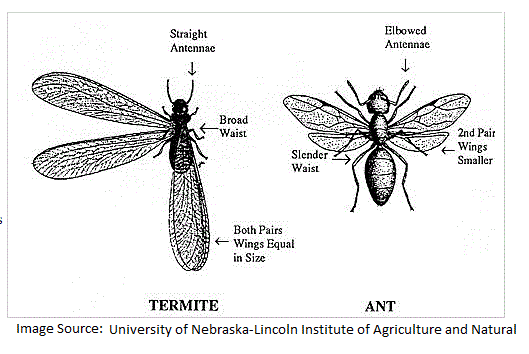
Figure 4. Flying termite vs flying ant
It is useful for you to be able to distinguish flying termites from flying ants. In many cases, homeowners first notice termite activity near or even in their home by first noticing flying termites. If you find flying termites outdoors, it is usually normal, indicating that there are termites nearby. But if you find termites inside the house and those termites are not coming from outside, that often indicates infestation of termites in the house.
How Termites Enter the House
Since people normally don’t see termites, some people may think that termites should not be an issue. In fact, many yards in the United States do have termites living in them. However, termites will not expose themselves, so people normally will not see them. There is the exception that every spring there could be long-winged termites flying out from unknown places for mating. The main reason for termites to hide from us is to preserve water in their body. They cannot live out in the open for an extended period. Flying termites are a little more able to tolerate staying outside than workers and soldiers, but they can still only stay outside for a short period.
It is helpful to know that termites live in many yards. First, people will not be panic if they happen to find termites in their yard. And second, people will keep an eye on possible termite issues even though normally no termites are seen. Lack of vigilance often leads to serious damage being caused to the properties.
Here is how termites get into the house. In modern houses, wood is not directly in contact with the ground. They are separated by concrete or brick foundations. Termites will not expose themselves to the air, and they are also unable to chew through concrete. So how do they get into the house? In most cases, termites build mud tubes to cross the distance from the ground to the wood. Other possibilities are that termites may come into the house from cracks on the concrete floor/wall of the basement or from the unsealed seam of the bricks. Mud tubes can be built outside the foundation wall to reach from the ground to the wood on the top of the foundation wall. They can also be built inside the foundation wall to reach a place where wood exists. Figure 5 shows mud tubes for termites to reach from the ground to the top of the foundation.
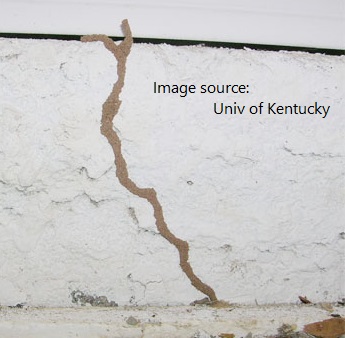
Figure 5 Mud tube
Termite Inspection
Termite inspection differs from termite detection. Termite detection is a way to determine whether termites are living nearby by using some device. For example, a station is buried in the ground and checked after a period of time to see whether termites appear in the station. Termite inspection refers to a process where an inspector comes to your home to determine whether termites have damaged your house or are damaging your house by means of looking, knocking, listening and other means. Inspection can also use instruments.
Knocking and listening are important means of inspection. For one, the inspector will listen for whether the wood is still solid or it has become hollow. Second, the inspector will listen for the particular sound of falling termite wastes (termite pellets). By looking, the inspector will see if there are mud tubes, termite wastes and whether there are small wings left by flying termites; and whether there are bubbles on the drywall and so on. Drywall becomes bubbled after termites eat out the cardboard between the paint and drywall. Termite wastes are easy to distinguish and they are small and relatively even in size, about 1 mm in length. Termites do not expose themselves to the air. If there are small holes, they will seal by soil and the like, but they often kick out pellets to the outside and so got noticed by people. Other methods include the use of a screwdriver or the like to check whether the wood is still solid and so on. Normally if you need an inspection, it is better to have a professional inspector.
Control of Drywood Termites
We mentioned earlier that drywood termites are only active in areas without severe winter because they cannot hide deep in the ground to survive the cold winter. In the United States, drywood termites are only active in southern states near the coastal areas and the border with Mexico. All baiting methods that bury devices underground, including our method, will not work for drywood termites because they do not contact the ground. Control of drywood termites basically relies on people’s inspection by looking, knocking and listening. The size of a drywood termite colony is no more than a few thousand individuals. So compared with subterranean termite colonies that could exceed 10 million individuals, the speed of property destruction will undoubtedly be slower. However, if there are many colonies, they are also a big problem.
The most commonly found evidence of drywood termite infestation is the termite wastes (pellets). Drywood termites hide in the wood, but they often kick their wastes out. Their wastes are very easy to identify as even-sized particles with length of about 1 mm. With a close look, you can see six concave sides and rounded ends. Other than drywood termite wastes, homeowners often notice drywood termites by noticing flying termites. Because the number of individuals in a colony is small, the number of flying termites is also small, often only in a few dozens.
If you are able to locate the lumber with drywood termite infestation, killing the termites is not too difficult. Using Termidor foam should have very good results. You should not just spray on the outside of the affected lumber. You should drill some small holes and spray the chemical into the lumber. Because you may need to apply the chemical in a room, you should pay attention to safety by following label on the container. If infestation of drywood termites becomes very serious, the final solution is fumigation that is to cover the affected part or the whole house by tent and fill the tent with poisonous gas. Professional exterminators are normally required and the cost is high.
In the areas with drywood termite activities, there are also subterranean termites and most likely with very severe subterranean termite activities. For the control of subterranean termites, various methods as we discussed before can be used, including barrier treatments and baiting methods such as our solution. Our solution will be more effective and reliable than other baiting methods.
Termites and Ants
Although there are many species of termites, their appearance and size look similar. There are lots more ant species, and their size is quite different, from 1/16 inches to about one inch. Termites and ants are bitter enemies. The most important role of termite soldiers is to fight against ant invasion. However, termites always lose in war with ants. First, termites do not eat ants, but termites can become ants' delicious meals. Also, termites cannot match ants in terms of either power or speed, and some species of ants also have a terrible sting. The ants that we normally see are workers. Ants do not have a soldier caste, or we might say that all ants are soldiers. Although ants fight and eat termites, we cannot expect that a house with lots of ants will be free of termites. The reason is that normal household ants are small and have no sting and they normally avoid termites (and vice versa).
Some people have asked, “I see something crawling on the floor, are those termites?” Anything that can be seen casually is not a termite. Because termites are afraid of losing water and they will die if they are exposed to the air for an extended period of time. They hide themselves from your view, with the only exception being flying termites that may fly out for mating mostly in springtime. Actually, it is very easy to distinguish worker or soldier termites from worker ants. In the past, we talked about three differences between flying termites and flying ants. Except the wings, the other two differences continue to apply; i.e. ants have thin waists and termites have straight antennae. In addition, termite workers and soldiers are normally lightly-colored and look fat.
There is a species of ant named the carpenter ant. They also like to bite lumber, especially wet lumber; their purpose is to live in the lumber instead of eating it. So carpenter ants can damage property too, but the scale of damage is much smaller than termite damage. Termites eat the wood and they produce even-sized wastes (pellets), while carpenter ants produce undigested powder similar to saw powder.
Summary
The approach we introduce in this article is a completely new termite detection and control method, which is suitable for application by yourselves. This is a baiting solution of subterranean termites, the same type as the devices available in the market. And it has the same purpose of detecting and killing termites in your yard so that no termites can enter your house.
We have described the implementation of this new method in this article and explained why our method is faster, more effective and more reliable than other existing baiting methods. This method is implemented in three steps, build stations, check stations, and apply chemical. You only need to buy and apply chemical after termites are detected. This method, like other methods that insert devices into the ground, is only effective on subterranean termites and has no effect on drywood termites. However, the absolute majority of property damage caused by termites in the United States is caused by subterranean termites.
Using our method, you do not need buy devices from the market. This method does not only save you money; it is also more reliable and more effective. You can use plastic sheets and cardboards to build termite detection stations. After termites are detected, you should buy Termidor foam from Amazon and spray the chemical on the cardboard in the stations with termite activities. Then termites will take the poison back to the nest and poison the whole colony.
The greatest advantages of our approach over other existing methods are the speed and reliability. Using other existing methods, it is normally expected to take four months for termites to find the stations. Our method has several properties that make it much easier for termites to find the stations, and after stations are found, termites hardly abandon them. Those properties include larger size, preventing water vapor from escaping, the stability in the stations, etc. Other advantages include environmental friendliness, cost saving, no false alarms and so on.
Our Web Links
http://termitesolution.us/
https://www.youtube.com/watch?v=iqVzxWhw1J8&t=21s
Other Interesting Web Links
The links below are provided as additional reading sources. Note that we don't endorse all of the ideas and we do not have affiliation with any of the website owners. Also some links might not be still available.
http://5star-termite.com/evaluation-of-baits-for-termites-isoptera-rhinotermitidae-in-texas/
http://www.domyownpestcontrol.com/termite-identification-guide-a-476.html
http://www.doityourselftermitecontrol.com/subterranean-termites.html
https://www.ces.ncsu.edu/depts/ent/notes/Urban/termites/index.htm
http://pubs.ext.vt.edu/444/444-502/444-502.html
|